
Residential Heat Pump Skills Assessment
Building a strong workforce for an electrified future.
The assessment is now closed.
Growing and reshaping the HVACR workforce to meet the growing demand for residential heat pumps in Atlantic Canada.
About the Program
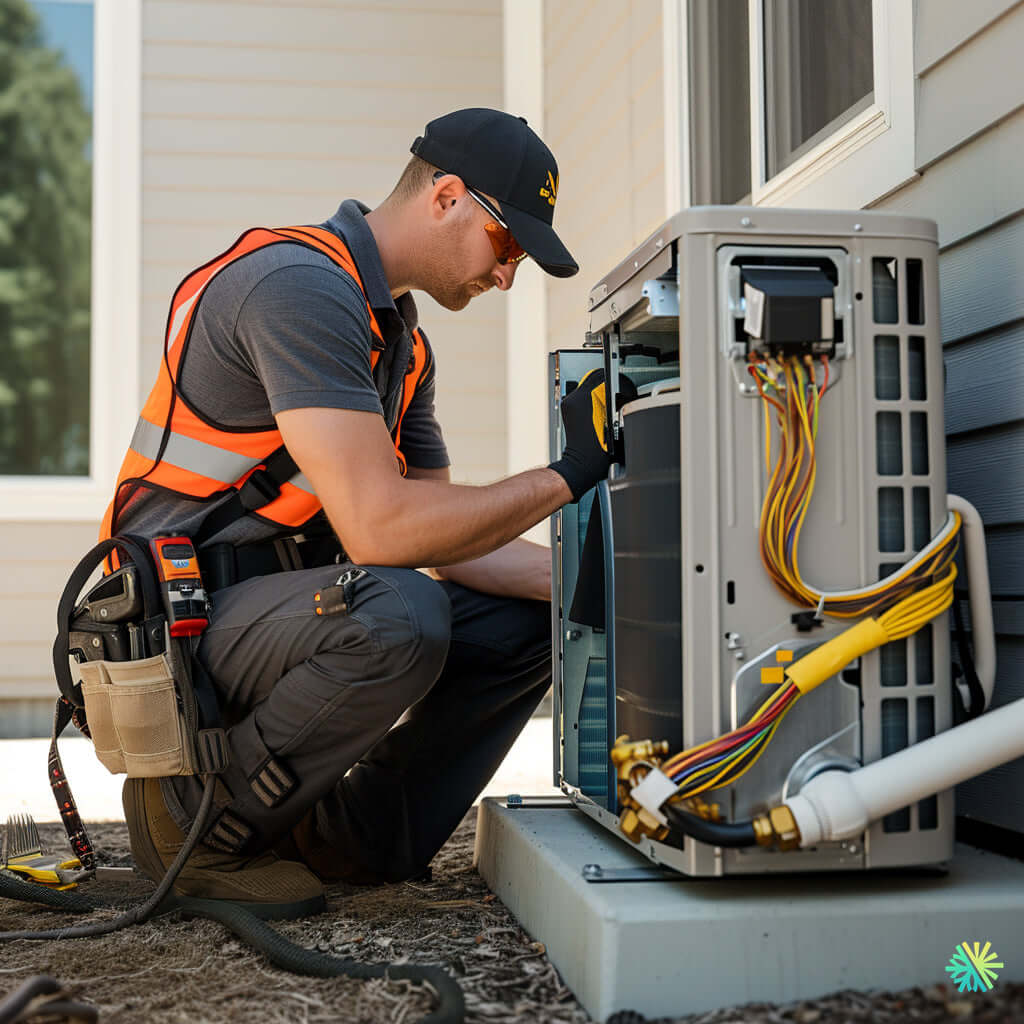
The Heat Pump Skills Gap Assessment is a research tool in the form of a questionnaire that probes an individual’s knowledge and skill levels against what is needed to install, service and maintain residential heat pumps. The questionnaire was developed by a group of manufacturers, industry trainers and subject matter experts.
The completion of the assessment provides a picture of the technician’s confidence levels in performing key tasks, as well as their technical competence in working with the latest heat pump technologies. The questionnaire is 225 questions in length, and takes approximately two hours to complete, perhaps longer if spread out over more than one sitting.
Eligibility and Applicant Screening
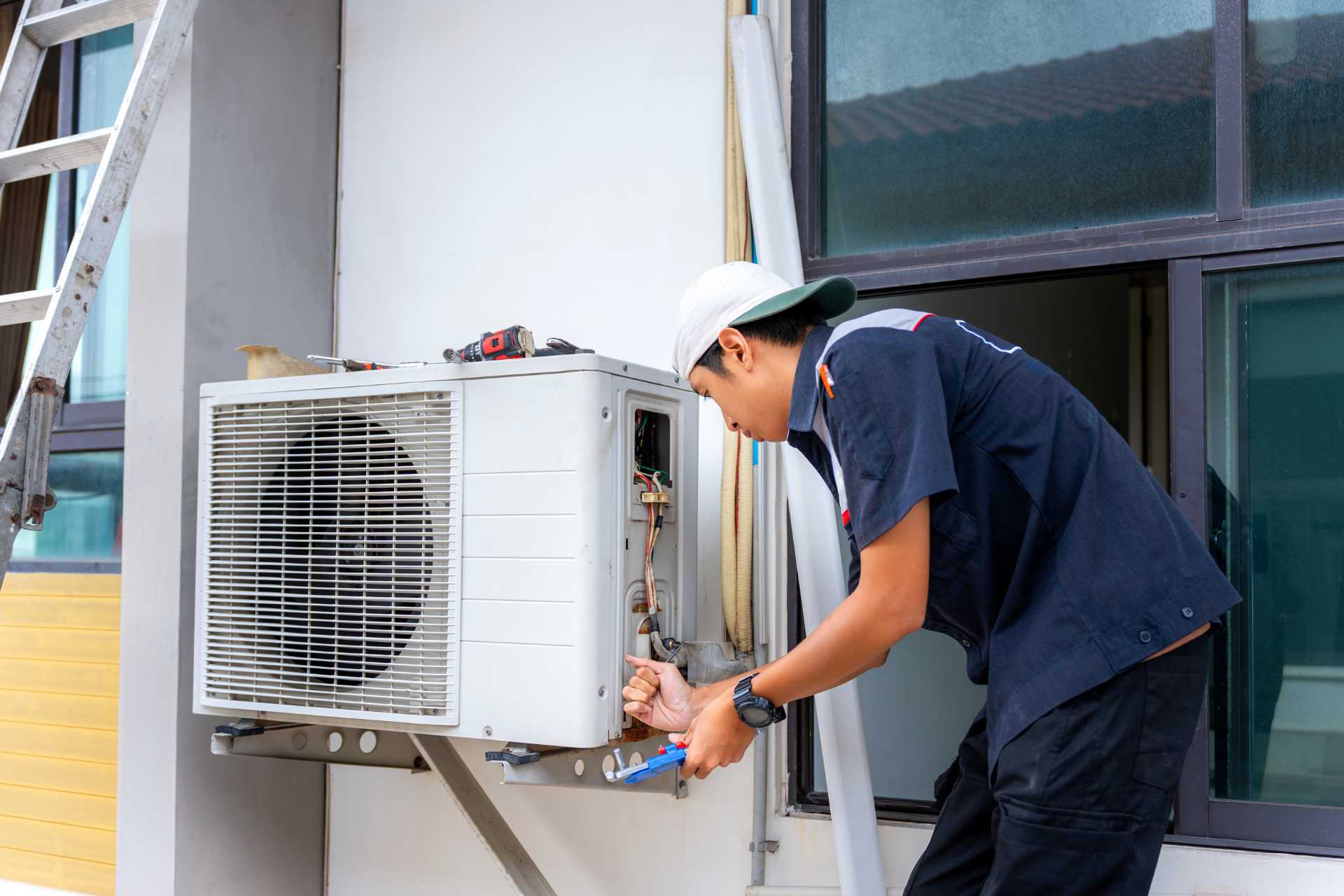
We are looking for residential technicians who have more than two years experience installing, servicing and maintaining heat pumps. If you have regularly work on residential heat pumps over the past several years (say more than 25 homes), we would like to hear from you.
You must live and work in one of the Atlantic provinces.
Wouldn’t it be nice to get the exact training you want to help you to refine and tailor your skills to be the best you can be in your job? Your participation will help identify what is needed to hit that mark.
Frequently Asked Questions
- 1. What is the Heat Pump Skills Gap Assessment about?
The Heat Pump Skills Gap Assessment is a research initiative aimed at assessing the skills of tradespeople who work on residential heat pumps. The goal is to understand the capabilities of the existing workforce and provide specific insights into the regional talent, which will inform the industry, the training community and other stakeholders that have an interest in facilitating training and workforce development.
This assessment is part of a larger project – HRAI Residential Heat Pump Workforce Readiness Initiative.
- 2. Why is this project important?
The HVACR sector is undergoing significant changes due to climate initiatives, the refrigerant transitions, net-zero goals, and shifts in global manufacturing supply chains. Ensuring that the current workforce can adapt to these changes, particularly in the area of heat pump technology, is critical to supporting the residential HVAC sector’s future.
- 3. Who is funding this project?
The project is funded by Natural Resources Canada (NRCan).
- 4. What will this project achieve?
The project aims to:
- Determine the current competencies of the existing workforce against a benchmark of skills and knowledge needed to install and service residential heat pumps.
- Identify any skills gaps that exist between the required competencies and those currently possessed by the workforce.
- Share the findings to inform training programs in the region.
- 5. Who is involved in this project?
The project draws on expertise from across the HVACR industry, including contractors,
manufacturers, and training providers. It also involves active participation all trades that actively install, service and maintain residential heat pumps to gain a real-world perspective on workforce capabilities.- 6. How will the results of the project be used?
The results will:
- Inform the HVACR industry so that apprenticeship and ongoing training can focus on specific skills and knowledge gaps.
- Guide training providers on the specific skills and education needed by the current workforce.
- Advise the government on training needs, potentially leading to future funding for training programs.
- 7. What does participation in the project involve?
Participants will complete an assessment comprising approximately 225 questions, organized into 9 modules. The questions are a combination of self-assessment, where participants rate their confidence in performing specific tasks on a scale of 1 to 5, and multiple-choice, designed to assess knowledge and understanding.
- 8. How long will the assessment take?
The survey is expected to take between 2 to 4 hours to complete, depending on the participant’s pace. Self-assessment questions take about 30 seconds each, while multiple choice questions take about 1 minute each.
- 9. Is there a pass or fail in the assessment?
No. This assessment is for research purposes only. There is no pass or fail. No one will know the results of any individual’s assessment except the initial researcher and no results will be shared except in aggregate and summary form.
- 10. What compensation is provided for participating?
Participants who complete the entire survey are eligible for compensation. To receive this compensation, participants must complete the registration in full. Please note that payment is only for 100% completed surveys, and payment is made out to the individual, not an employer.
- 11. How will this project help the HVACR industry in the future?
This project will help ensure that the HVACR workforce is prepared for the future demands of the industry, particularly in the context of a low-carbon economy. It will guide the development of targeted training programs and inform government and industry stakeholders about the necessary steps to support this transition.
- 12. What should I do if I get an error message?
Please take a screenshot of the error message and send it to Stephanie Meyer.
What is HRAI?
Founded in 1968, HRAI is a non-profit national trade association that represents more than 1,150 member companies in the HVACR industry. Members include manufacturers, wholesalers and contractors. HRAI advocates a safe, responsible and fair industry where indoor environment systems and refrigeration processes are designed, installed and serviced by qualified professionals in order to ensure efficient and energy-conscious operation. The association’s activities are directly related to the needs and requests of its membership and include education and training programs, industry meetings, up-to-date industry information, technical support, government and industry advocacy.
Contact Us
If you have questions about the Skills Gap Assessment, please contact